
Be Impeccable.
A comprehensive approach to your skin, led by Dr. Raphael Darvish in Brentwood and West Hollywood since 2005. Skin that still looks like you. Your first consultation is complimentary.





Your first consultation is complimentary
A comprehensive look at your skin at either office, and a plan built around it before anything is booked.
Our patients, before and after
Actual Skinpeccable patients, treated by our team. Drag to compare. Individual results vary.
Fractional laser, texture and scarring
Coolsculpting, flanks
IPL photofacial, sun damage
VI Purify peel, acne
What we're known for
Planned to enhance rather than change the way you look.
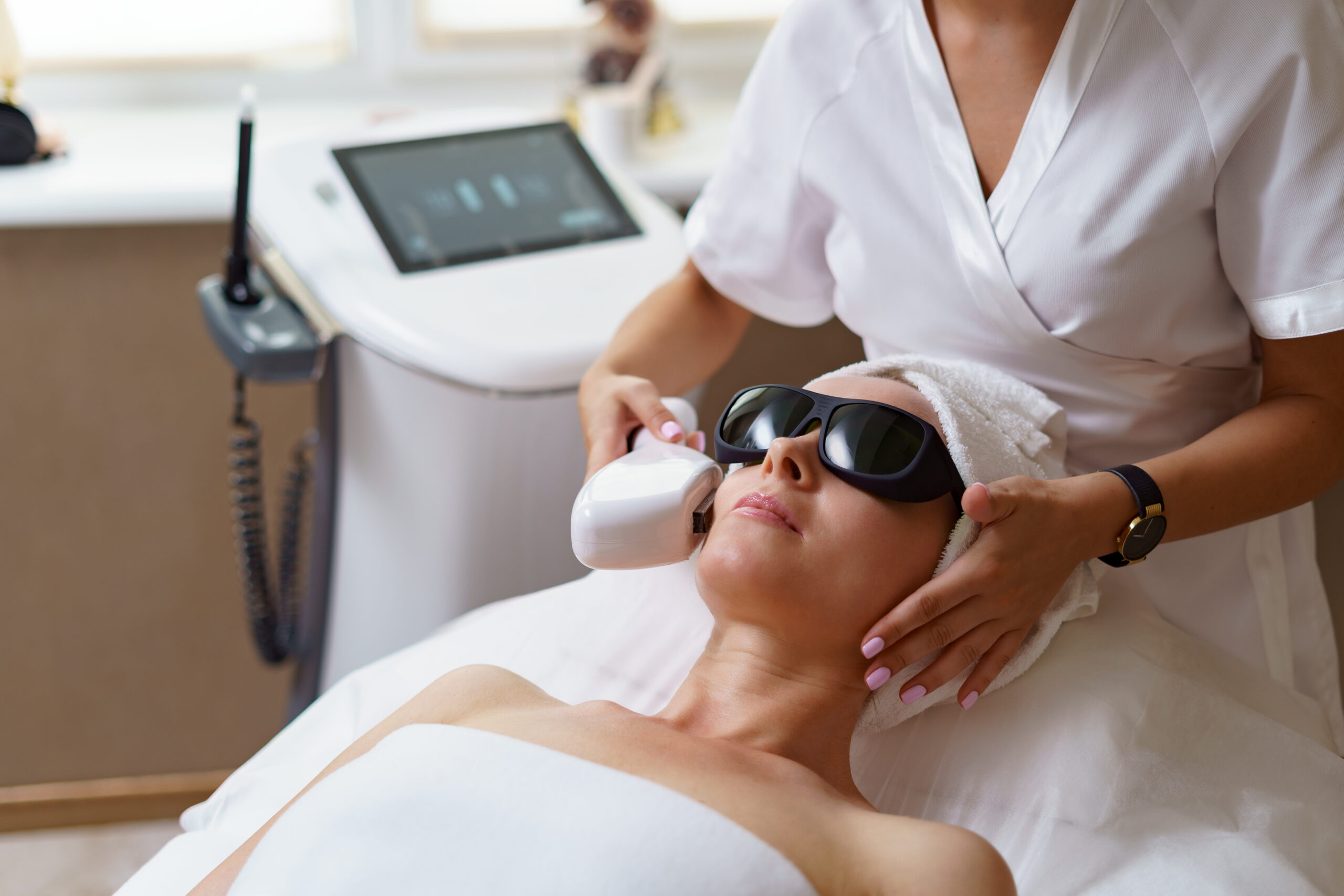
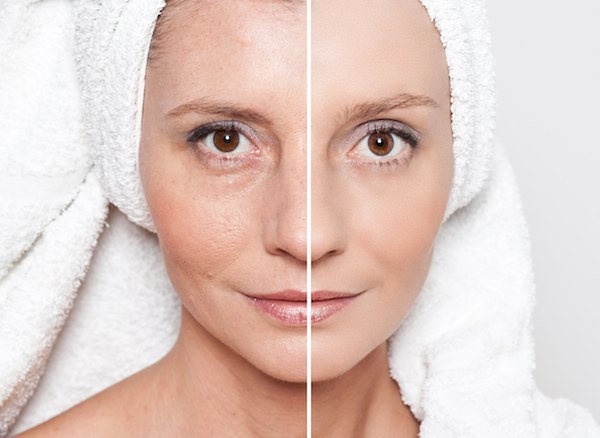
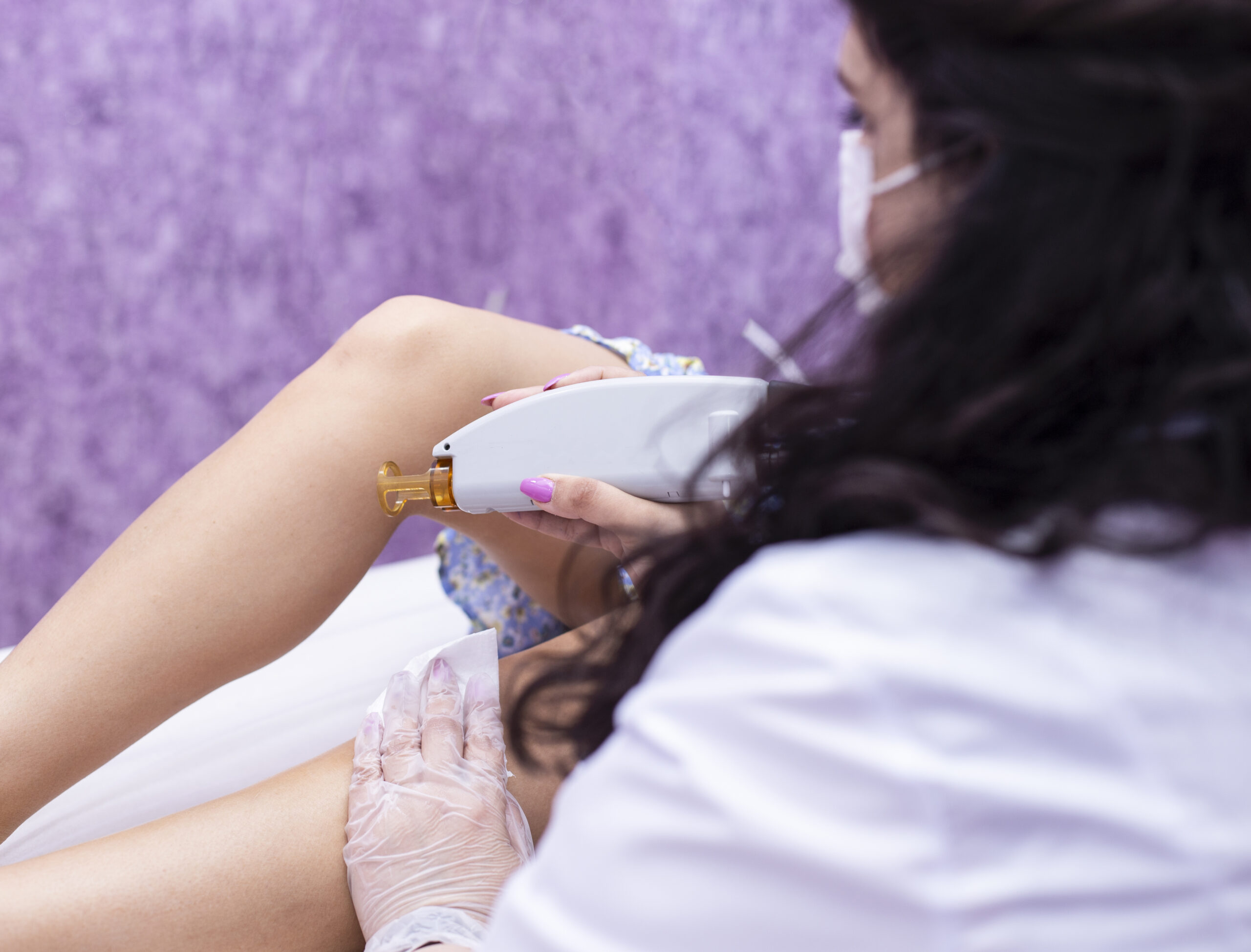
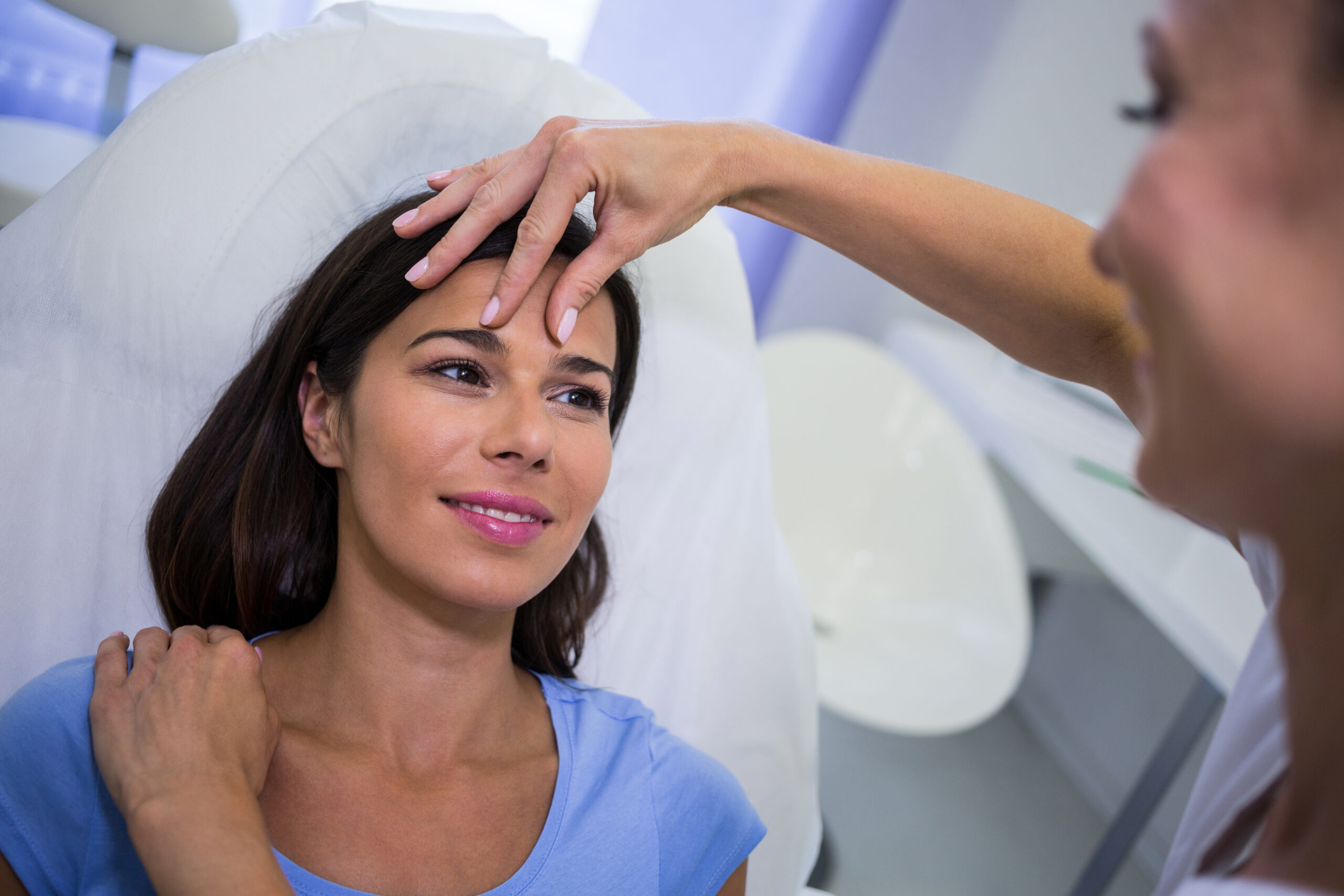
Bring us the thing that bothers you
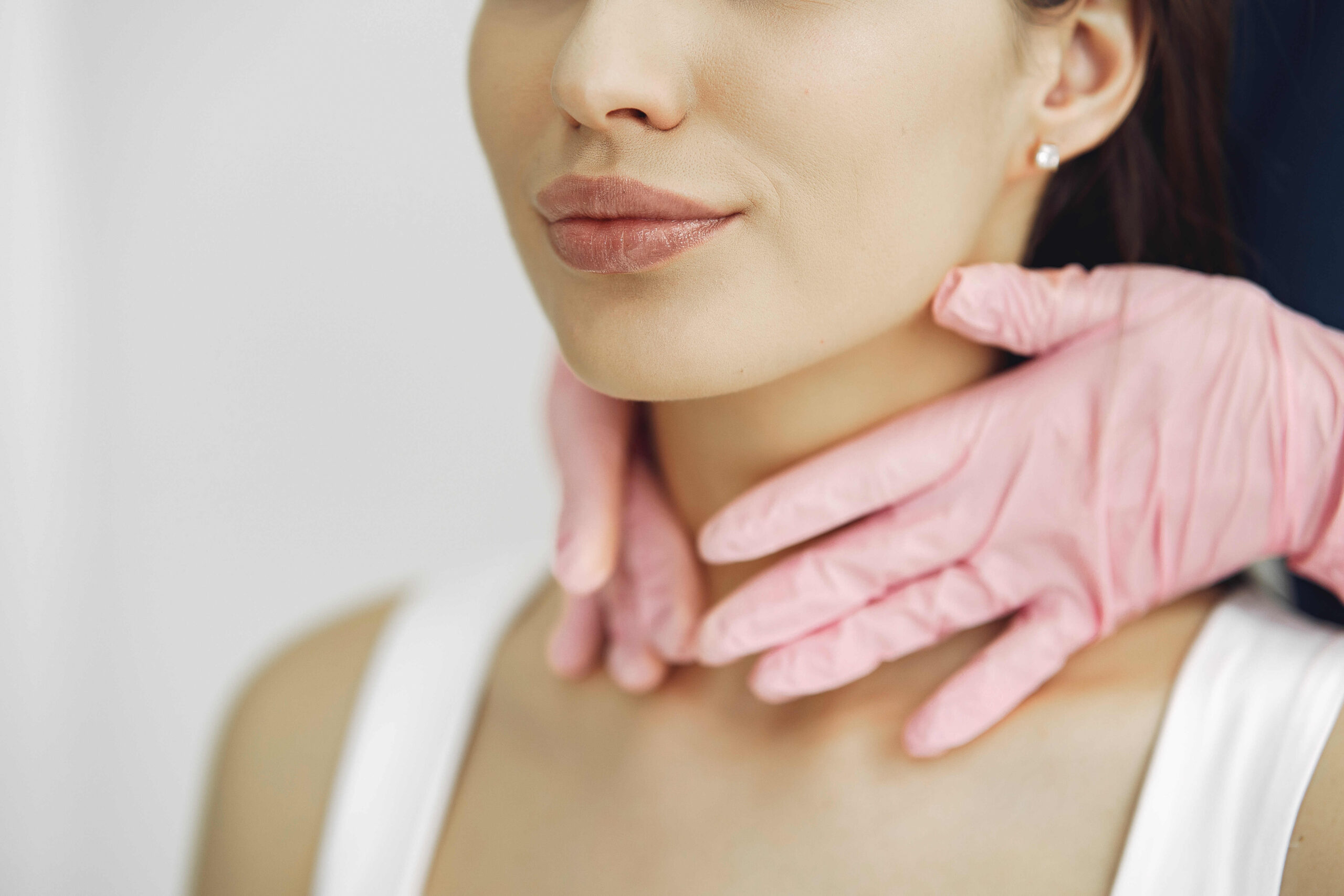
Every plan starts with what you actually want to change, not a menu.
Lines and wrinkles
Neuromodulators and fillers, conservatively dosed.
Volume loss
Fillers that restore structure, not shape.
Spots and melasma
Peels and IPL for pigment.
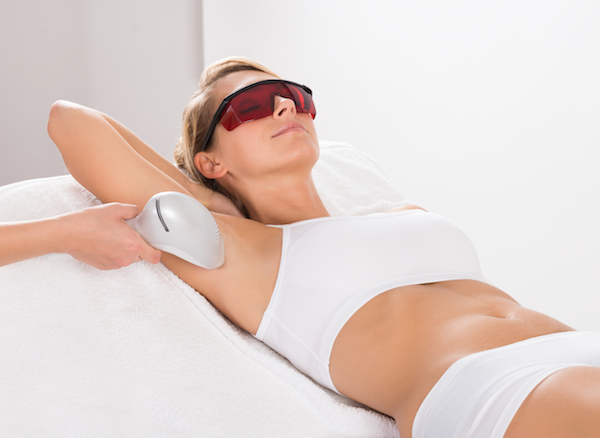
Unwanted hair
Laser removal, lasting reduction.
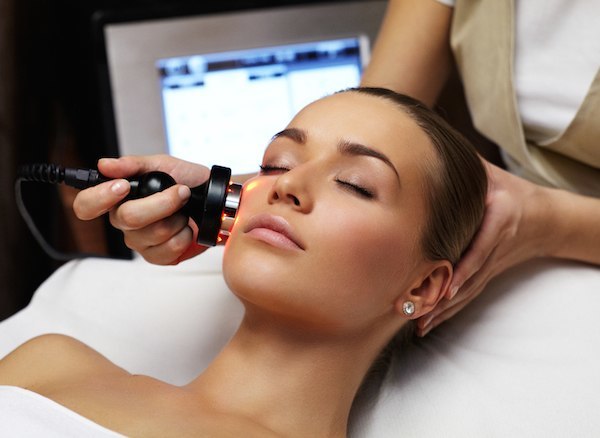
Loose skin
Non-invasive tightening.
Stubborn fat
Coolsculpting, no surgery.
The people you'll actually see
One physician, one laser nurse, one aesthetician. Experts in our field, the same team at both offices since 2005.
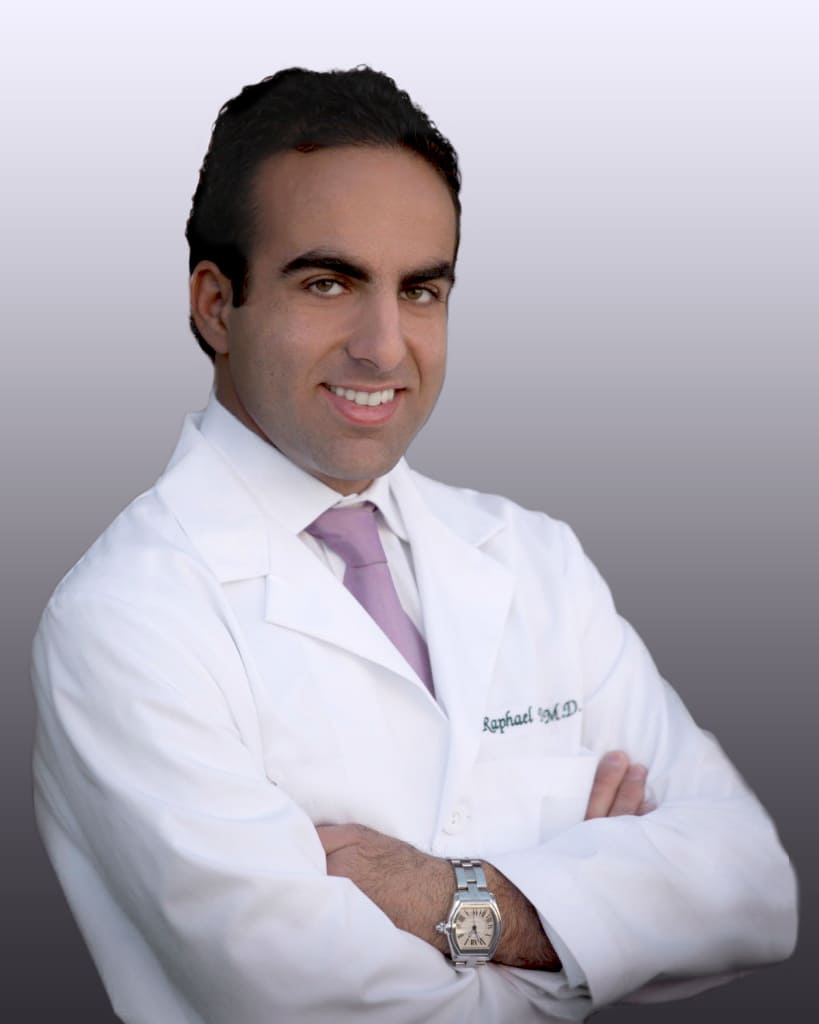
Dr. Raphael Darvish
Fourth-generation physician. UCLA-trained, with certifications in laser medicine, cosmetic surgery and phlebology.
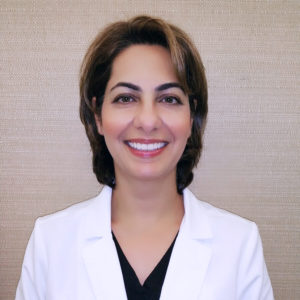
Kathy
In cosmetic dermatology since 2004, trained on more than fifteen laser systems.
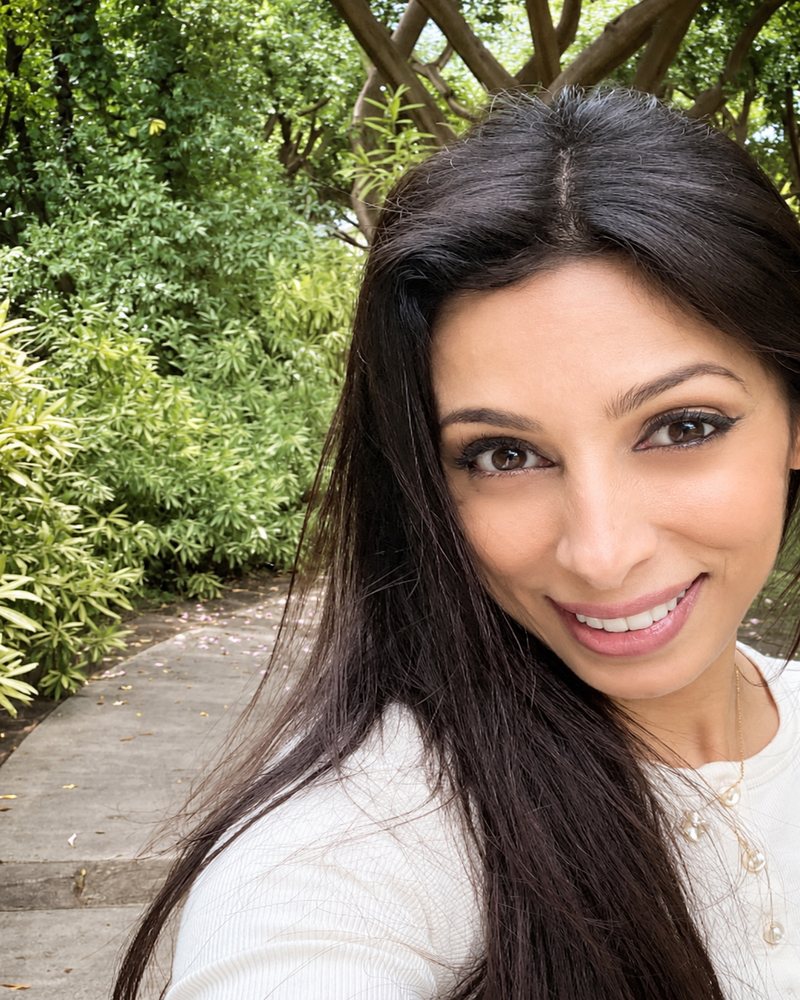
Adrianne
Facials and peels, planned around what your skin needs that month.
What patients say
"I highly recommend Dr. Darvish. He is hands-down the reason my skin looks flawless. He really took the time to get to know my skin and what would work best for me."
Natalie Schultz"By far the best place I've been. The staff is nice and professional, and so knowledgeable."
Jennifer Bossel"As someone who has been to many dermatologists over the years, the care I have received here is the best in every way."
Tina HayBrentwood or West Hollywood, your pick
Brentwood
11611 San Vicente Blvd., Lobby Level
Los Angeles, CA 90049
310-979-SKIN
Valet parking is accessed from Bringham Ave.
West Hollywood
8264 Santa Monica Blvd.
West Hollywood, CA 90046
310-979-SKIN
Four spaces behind the building, plus ample street parking nearby.
Monday - Friday: 9 AM - 6 PM. Saturdays: By appointment.
Before you book
What should I expect during my first visit for a cosmetic treatment?
During your initial visit, we'll conduct a thorough consultation to understand your skin concerns and aesthetic goals. We'll discuss your medical history, evaluate your skin, and recommend personalized treatment options suitable for you. This session is designed to ensure you're well-informed and comfortable before proceeding with any treatment.
How do I choose the right cosmetic treatment for my skin concerns?
Choosing the right treatment depends on various factors including your skin type, desired results, and any specific conditions you might have. Our experienced specialists will guide you through the different options, explaining the benefits and expected outcomes of each, to help you make an informed decision that aligns with your goals.
Are there any side effects associated with cosmetic dermatology treatments?
Most cosmetic treatments are safe with minimal side effects. Common side effects might include temporary redness, swelling, or bruising, depending on the procedure. We will discuss all potential side effects and post-treatment care during your consultation to ensure you know what to expect and how to care for your skin post-treatment.
How long do the results of cosmetic treatments like Botox, fillers, or laser therapy last?
The duration of results varies based on the treatment type. For instance, Botox results typically last 3-6 months, while fillers can last from 6 months to over a year. Laser therapy outcomes can depend on the condition being treated and the number of sessions. We provide detailed information on what to expect from each treatment during your consultation and follow-up appointments.
Book a complimentary consultation.
Choose the office that's closer and we'll take it from there.
Choose your office