Medically reviewed by Dr. Raphael Darvish, MD Skinpeccable — Brentwood & West Hollywood Last Updated: June 2026
Yes, IPL and skin tightening can be combined in one visit. IPL targets pigmentation and redness at the skin’s surface, while the second treatment stimulates collagen deeper in the dermis to improve firmness and elasticity. Because they work on different tissue layers, they’re often performed during the same appointment. Most sessions last 45 to 75 minutes, with IPL completed first, followed by the collagen-boosting procedure. A board-certified provider should evaluate your skin before recommending this combined treatment plan.
You book an appointment. You want two results: an even tone and firmer skin. At Skinpeccable, this question comes up almost every week in our Brentwood and West Hollywood consultation rooms: can you get an IPL treatment and a skin-tightening treatment done on the same day?
Short answer: yes, in most cases. But “can” and “should” are two different questions, and the answer depends on your skin, your goals, and who’s holding the device. Having treated this combination across hundreds of sessions, we’ve learned what works and what doesn’t. This guide breaks down how each treatment works, why pairing them makes sense for many clients, and which red flags mean you should wait.
This guide breaks down how each treatment works, why pairing them makes sense for many clients, and which red flags mean you should wait.
Key Takeaways
- IPL (Intense Pulsed Light) improves skin tone by targeting sun damage, unwanted pigmentation, and facial redness. Skin tightening targets sagging and lost collagen. They solve different problems.
- Combining both in one visit is common and generally safe when done by an experienced provider who adjusts settings for your skin.
- The order matters. Most providers do IPL first, then skin tightening, to avoid overworking the skin.
- Combination treatment is often recommended for aging skin showing both discoloration and laxity at the same time.
- Not everyone is a candidate for the same-day combination. Active breakouts, recent sun exposure, and certain skin conditions may mean spacing sessions apart.
- Always consult a board-certified provider before combining energy-based treatments. This isn’t a DIY call.
How Does IPL Photorejuvenation Work?
IPL (Intense Pulsed Light) photorejuvenation uses broad-spectrum light to reduce pigmentation, redness, and uneven skin tone. Unlike treatments designed to improve skin firmness, IPL focuses on correcting discoloration caused by sun damage, age spots, rosacea, and broken capillaries.
During the procedure, pulses of light penetrate the skin and are absorbed by melanin (which causes brown spots) and hemoglobin (which causes redness and visible blood vessels). This light energy converts to heat, breaking down the targeted pigment or blood vessels while leaving the surrounding tissue largely unaffected. Over the following days and weeks, your body’s natural healing process clears away the damaged cells, revealing a brighter, more even complexion.
We see clients come in for IPL photorejuvenation in Los Angeles mostly for three reasons:
- Sun damage and age spots from years of unprotected exposure
- Rosacea-related redness and visible blood vessels
- General dullness and uneven skin tone
It’s quick, typically 20 to 30 minutes, and downtime is minimal. Spots may look darker for a few days before flaking off. That’s normal, not a side effect to worry about.
What Does Facial Skin Tightening Actually Do?
Facial skin tightening works by delivering controlled heat beneath the skin, typically using radiofrequency or infrared energy, to stimulate the body’s natural collagen production. This process helps improve firmness, elasticity, and the appearance of mild to moderate skin laxity over time.
Unlike IPL, skin tightening doesn’t touch pigment. It targets the dermis, the deeper layer of the skin where collagen and elastin are produced. As we age, collagen production drops off, and skin starts to sag around the jawline, cheeks, and neck. Heat-based tightening treatments trigger a controlled healing response that encourages new collagen fibers.
Results build gradually. You won’t see a dramatic difference on the day of treatment. Most clients notice firmer, more lifted skin over 4 to 12 weeks, with continued improvement as collagen remodels.
Can IPL and Skin Tightening Be Performed in the Same Session?
Yes. Combining IPL and skin tightening in a single visit is a common practice, and for many clients, it’s actually more efficient than scheduling separate appointments weeks apart.
Here’s why it works clinically: IPL treats the surface (pigment, tone, redness) while skin tightening works deeper (collagen, firmness). They’re not competing for the same tissue layer, so there’s no direct conflict in how the treatments act on skin.
That said, the skin can only handle so much heat and stress in one sitting. A trained provider will:
- Assess your skin type and current condition before deciding to combine
- Typically perform IPL first, since it’s the higher-intensity, more targeted treatment
- Follow with skin tightening once the skin has settled from the first pass
- Adjust energy settings on both devices to account for the combined treatment load
We don’t recommend clients attempt this kind of stacking without a provider who understands how the two technologies interact. Treating the skin too aggressively during a single visit may increase the risk of prolonged redness, irritation, or, in rare cases, changes in pigmentation.
Benefits of Combining Both Treatments
Doing both in one visit isn’t just about convenience, though that’s part of it. Here’s what clients typically report:
- Fewer appointments overall. One visit addresses two separate concerns instead of scheduling two separate treatment plans.
- Comprehensive improvement. You’re correcting tone and improving texture at the same time, rather than fixing one issue while the other stays untouched.
- Better result matching. Aging skin rarely has just one problem. Combining treatments matches how skin actually ages, with both pigment changes and laxity showing up together.
- Cost efficiency for some clinics. Bundled sessions can sometimes come at a better rate than two standalone appointments.
These are among the real IPL treatment benefits our clients ask about most: tone correction paired with firming in a single visit, without adding extra downtime days.
Are Combination Treatments Better for Aging Skin?
For skin showing both sun damage and sagging, yes, combination treatment is often the most efficient option. It addresses two separate aging processes in one visit instead of treating them separately over months.
Aging skin isn’t just one problem. It’s usually pigment irregularities from decades of sun exposure stacked on top of collagen loss and reduced elasticity. Treating only one of these leaves the other visible. That’s why we often recommend a combined approach for clients in their 40s, 50s, and beyond who want a noticeably fresher look without surgery.
It’s worth being clear, though: combination IPL and tightening won’t replace a facelift or address significant skin folds. It’s a maintenance and improvement tool, not a surgical substitute.
What to Expect During a Combined IPL and Skin Tightening Visit
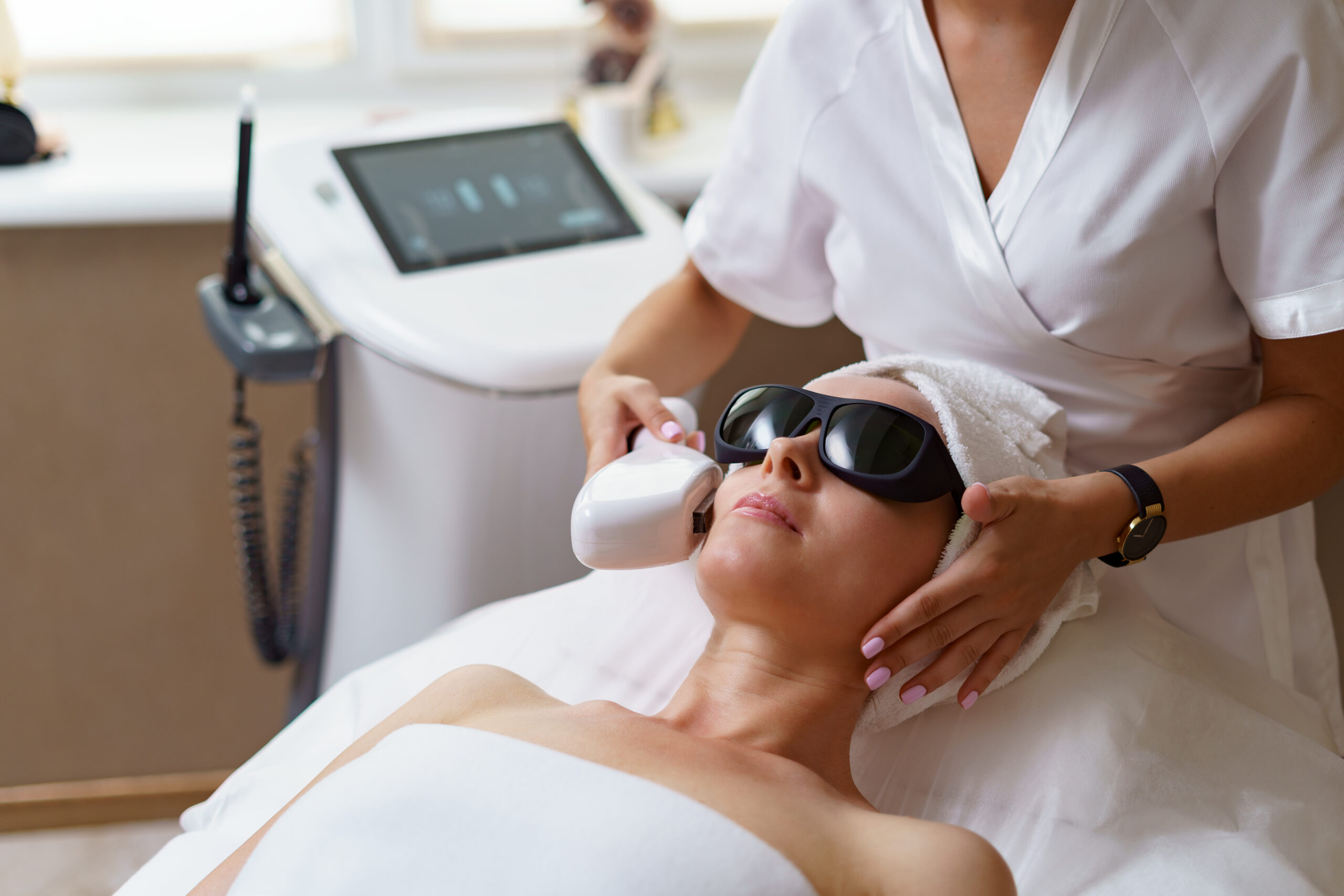
A typical combined session runs 45 to 75 minutes, depending on the areas treated.
- Cleansing and skin assessment
- Numbing cream is applied if needed
- IPL passes across targeted areas (pigment, redness)
- Brief cooling period
- Skin tightening pass using radiofrequency or infrared energy
- Post-treatment serum and sun protection application
You may leave with mild redness, similar to a light sunburn. This usually settles within a few hours to a day. Makeup can typically go back on the next day, and most clients return to normal activities immediately.
Who Should Avoid Combining These Treatments?
Not every skin type or condition is a good fit for same-day combination treatment. Some clients need to space sessions apart or skip one treatment entirely.
You may need to wait or modify your plan if you have:
- Active acne breakouts or open skin lesions
- Recent sun exposure or a fresh tan
- A history of keloid scarring
- Certain autoimmune or skin conditions
- Pregnancy (most energy-based treatments are postponed until after delivery)
- Very dark skin tones, where IPL settings need extra caution to avoid pigment changes
This is exactly why a consultation matters before booking. A provider needs to look at your actual skin, not just check boxes on an intake form.
Why See a Board-Certified Provider for IPL and Skin Tightening
This is where trust really matters. IPL and skin tightening are both energy-based treatments, meaning they use heat and light to change skin at a cellular level. That’s not something to hand over to just anyone holding a device.
At Skinpeccable, our treatments are performed under the guidance of Dr. Raphael Darvish and our dermatology-trained clinical team, with settings adjusted individually for skin tone, sensitivity, and treatment history. We’ve found that the biggest factor in safe, effective combination treatment isn’t the technology itself. It’s the judgment of the person operating it.
According to the American Academy of Dermatology, energy-based skin treatments should always be performed by trained professionals who can assess skin type and adjust settings accordingly, since improper use can lead to burns or pigment changes. We follow that standard closely, and we’d encourage anyone considering these treatments elsewhere to ask direct questions about provider training before booking.
If you’re comparing providers, ask:
- Who will actually perform the treatment?
- What’s their training on this specific device?
- How do they determine if combination treatment is safe for your skin?
- What happens if you have a reaction?
A provider who answers these clearly and without hesitation is one you can trust with your skin.
Frequently Asked Questions
Is it safe to combine IPL and skin tightening in the same visit?
Yes, for most skin types, when performed by an experienced provider who adjusts treatment order and settings appropriately.
How long do results from combined treatment last?
IPL results (tone correction) can last several months depending on sun exposure. Skin-tightening results build over weeks and typically last 6 to 12 months, with maintenance sessions extending that.
Does combining treatments mean more downtime?
Slightly more than a single treatment, but most clients still return to normal activities within a day. Redness is the most common short-term effect.
How many sessions of combined treatment do I need?
Most treatment plans involve 3 to 6 sessions spaced several weeks apart, though this varies by skin condition and goals.
Can I combine IPL and skin tightening if I have sensitive skin?
It’s possible, but settings need to be more conservative. A patch test or consultation is recommended first.
Is combination treatment more expensive than doing them separately?
It depends on the clinic, but bundling often costs less than two separate appointments due to shared setup time.
What is the difference between IPL and laser skin resurfacing?
IPL uses broad-spectrum light to target pigment and redness on the skin’s surface. Laser resurfacing uses a focused beam to remove skin layers and stimulate collagen. IPL has minimal downtime; resurfacing requires a longer recovery. Your provider can recommend which one fits your skin concern best.