Medically Reviewed by Dr. Raphael Darvish
Eating well and exercising regularly can improve overall health and body composition, but they cannot determine exactly where fat disappears. Someone may reach a stable weight while still noticing fullness around the abdomen, flanks, thighs, upper arms, or under the chin.
For people concerned about localized fat despite consistent lifestyle habits, CoolSculpting Brentwood is a non-surgical body contouring option worth understanding. Unlike weight-loss treatments, CoolSculpting is intended to address visible fat bulges in specific areas.
Why Diet and Exercise Cannot Target Specific Fat
Diet and exercise influence overall body composition, but neither can control exactly where the body loses fat. Genetics, age, hormones, and individual body composition all affect fat distribution. That is why someone can lose weight around the waist while continuing to notice fullness around the lower abdomen or flanks. Another person may become leaner overall while still having stubborn fat around the thighs or upper arms. If someone has already reached a healthy, stable weight, losing additional weight may not be the right solution for a specific cosmetic concern. Body contouring has a different purpose from weight management.
How CoolSculpting Works
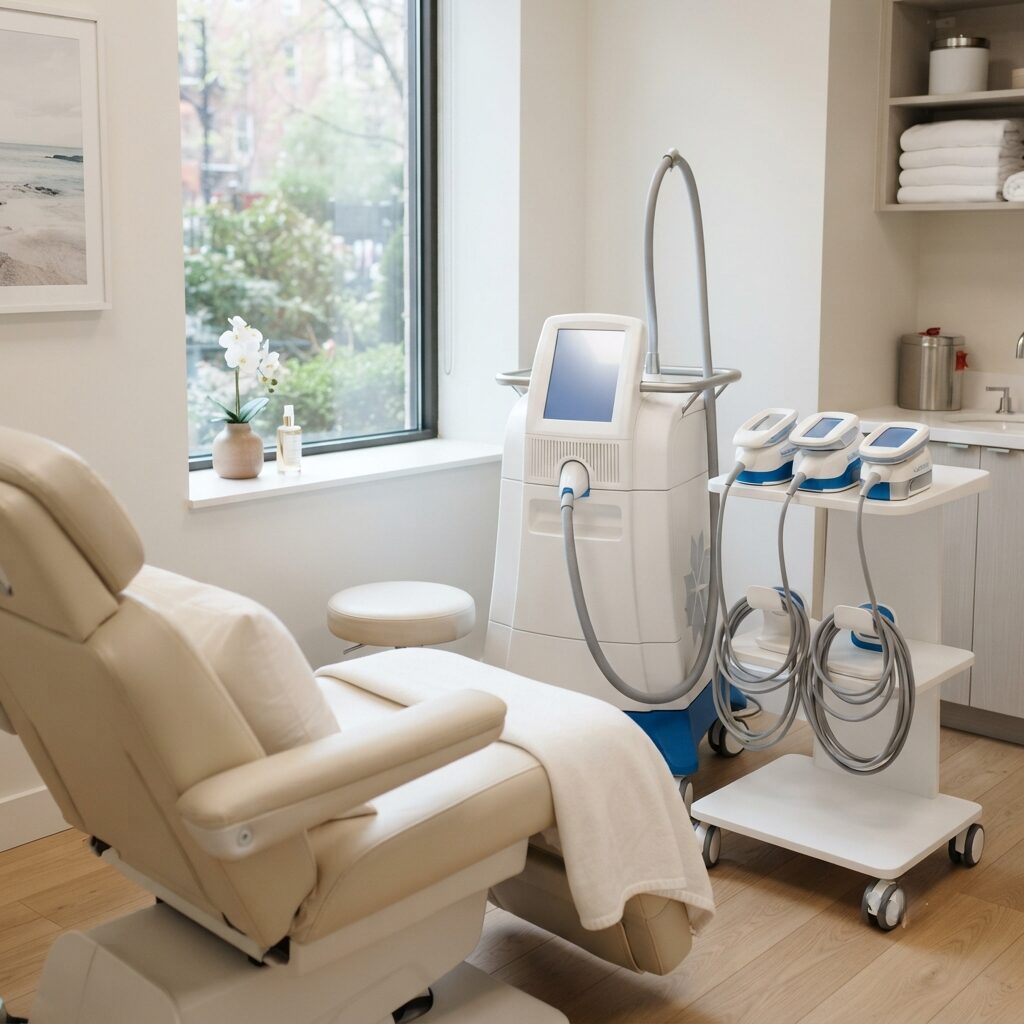
CoolSculpting uses patented cryolipolysis, also known as fat-freezing technology, to target fat cells beneath the skin. According to the official CoolSculpting treatment information, controlled cooling targets fat cells while leaving surrounding tissue unaffected. The treated fat cells are frozen and then die, after which the body naturally processes and eliminates them over the following weeks and months.
CoolSculpting is FDA-cleared for the treatment of visible fat bulges in nine areas of the body and is not a treatment for weight loss. It is intended for localized body contouring rather than replacing healthy eating, physical activity, or appropriate weight-management care.
Which Areas Can Be Treated?
CoolSculpting is FDA-cleared for visible fat bulges in nine areas:
- Abdomen
- Flanks, or love handles
- Under the chin
- Under the jawline
- Thighs
- Upper arms
- Back fat
- Bra fat
- Banana roll, underneath the buttocks
The appropriate treatment area depends on individual anatomy and the provider’s assessment. Fullness in a particular location does not automatically mean CoolSculpting is the appropriate treatment. For example, loose skin or differences in muscle structure can also influence the appearance of an area. A professional evaluation can help determine what is actually contributing to the concern.
What Happens During Treatment?
Treatment begins with an assessment of the area the patient wants to address. The provider then develops a plan based on the treatment area and desired outcome. During the procedure, an applicator delivers controlled cooling to the selected tissue. Patients may experience pulling, tugging, cold, tingling, pinching, aching, cramping, or discomfort. These sensations generally lessen as the area becomes numb. CoolSculpting does not involve surgical incisions. However, temporary effects can occur. The manufacturer’s safety information lists possible effects including redness, swelling, bruising, firmness, tenderness, aching, cramping, skin inflammation, and changes in sensation such as itching, sensitivity, tingling, or numbness.
When Will Results Appear?
One of the most important things to understand about CoolSculpting is that results develop gradually. The body processes the treated fat cells over time, so the appearance of the treated area can change during the weeks and months following treatment. Looking for an immediate transformation can therefore create unrealistic expectations. Individual results vary. Some people may also require more than one treatment session depending on the area being addressed and their goals. The appropriate treatment plan should be determined by a qualified provider rather than based on another person’s results.
Who May Be a Candidate?
CoolSculpting may be appropriate for adults interested in non-surgical treatment for stubborn fat in an approved treatment area. However, it is not suitable for everyone. The official safety information states that people with certain cold-related conditions, including cryoglobulinemia, cold agglutinin disease, or paroxysmal cold hemoglobinuria, should not undergo CoolSculpting. Patients should also tell their healthcare provider about medical conditions, recent surgery, a pre-existing hernia, allergies, or other relevant health concerns. A professional assessment is therefore essential before treatment.
Why a Consultation Matters
Cosmetic treatment should begin with an evaluation rather than simply choosing a procedure based on advertising or photographs. A provider can assess the treatment area, discuss the patient’s goals, explain realistic outcomes, review potential side effects, and determine whether CoolSculpting is appropriate. Patients can also ask about treatment sessions, expected changes, and aftercare. This individualized approach matters because body shape, fat distribution, medical history, and expectations differ from person to person.
Maintaining Your Results
CoolSculpting does not replace healthy lifestyle habits. Regular physical activity and balanced nutrition remain important for overall health and maintaining a stable weight. Although treated fat cells are eliminated through the body’s natural processes, untreated fat cells remain. Significant weight fluctuations can therefore affect the body’s overall appearance. For that reason, body contouring is best viewed as one part of a broader approach to health and appearance rather than an alternative to healthy habits.
Conclusion
Diet and exercise are essential for overall health, but they cannot determine exactly where every person loses fat. For someone who has reached a stable weight but remains concerned about a specific visible fat bulge, non-surgical body contouring may be worth exploring.
If stubborn fat is keeping you from the contour you want, explore CoolSculpting at Skinpeccable to learn more about the treatment and whether it may be suitable for your goals.
Medical Disclaimer: This article is for general informational purposes only and is not medical advice, diagnosis, or treatment. Consult a qualified healthcare professional to determine whether CoolSculpting is appropriate for your individual circumstances.
Frequently Asked Questions
Is CoolSculpting a weight-loss treatment?
No. CoolSculpting is intended for body contouring and visible fat bulges in specific areas. It is not a treatment for weight loss or obesity.
Which areas can CoolSculpting treat?
The FDA-cleared treatment areas include the abdomen, flanks, under the chin, under the jawline, thighs, upper arms, back fat, bra fat, and banana roll area underneath the buttocks.
Does CoolSculpting permanently eliminate treated fat cells?
The official CoolSculpting information states that treated fat cells are eliminated through the body’s natural processes. Individual results vary, and untreated fat cells can still change with fluctuations in body weight.
Does CoolSculpting involve surgery?
No. It is a non-surgical body contouring procedure that uses controlled cooling rather than surgical removal of fat.
When will I see results?
Results develop gradually as the body processes treated fat cells. Changes can occur over the weeks and months following treatment, so the final appearance should not be judged immediately after an appointment.