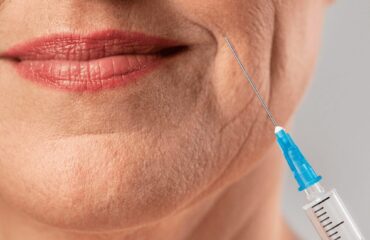

Dermal fillers for men West Hollywood patients consider are often used to refine the jawline, chin, cheeks, under-eyes, and smile lines without making the face look overfilled. A consultation can identify which areas need structure, volume, or softening while keeping the result masculine, balanced, and subtle.
Why does your face look tired or less defined?
The first question many men have about fillers is not “How much can I add?” It is “Will this look obvious?”. The old fear is that dermal fillers will make the face look puffy, rounded, or noticeably different.
But the way men search for fillers has changed. More patients are asking about jawline definition, under-eye hollowness, chin balance, and facial structure instead of vague “anti-aging.”
This guide breaks down the most common areas men ask about, what each area can help with, and why the best filler results for men usually come from restraint.
Why Men Approach Fillers Differently
Men usually come into a filler consultation because they want sharper structure, better balance, and a less tired look without changing the character of their face.
That difference matters. Male facial aesthetics often focus more on angles than curves. A stronger chin, cleaner jawline, supported midface, or less hollow under-eye area can make the face look more rested and defined while still looking natural.
A patient searching for dermal fillers for men west hollywood is usually not looking for a full-face transformation. He may be noticing that his jawline looks less crisp in photos, his cheeks look flatter, or his under-eyes make him look exhausted even after sleeping.
The right filler plan should start with the face in motion and at rest:
- Where is volume missing?
- Where does the face need support?
- Where would adding too much create the wrong shape?
Jawline and Chin: The Structure Areas
The jawline and chin are two of the most common areas men ask about because they affect the overall frame of the face. Even a small loss of definition can change how the lower face photographs from the front and side.
Filler in this area may be used to support the chin, improve facial balance, or create a cleaner transition along the jaw. The goal is usually to restore or refine structure in a way that fits the patient’s existing features.
This is also where restraint matters. Too much filler in the lower face can look heavy. Too little may not create enough support to be noticeable. A good consultation should evaluate the chin, jaw angle, neck, and cheek structure together because each area affects the others.
For men, the lower face often carries the whole aesthetic. If the chin is slightly recessed or the jawline has softened, filler can sometimes create a more balanced profile without surgery. But the plan has to match the face, not a generic before-and-after trend.
Cheeks and Midface: Support Without Roundness
In male filler plans, the cheeks are usually less about creating volume and more about restoring support.
The midface helps hold the face together visually. When that area loses volume, the under-eyes can look deeper, smile lines can become more noticeable, and the lower face can appear heavier. Thoughtful cheek support may help the face look more awake without making the cheeks look round or inflated.
This is where a provider’s aesthetic judgment becomes important. Men often need placement that supports structure without adding softness in the wrong direction. The difference between “rested” and “puffy” can come down to small choices in placement, product type, and amount.
Patients considering cosmetic rejuvenation west hollywood treatments often think they need one specific area treated. In reality, the concern they see in the mirror may be connected to another area nearby. That is why a full-face assessment usually leads to a more natural result than chasing one line or hollow.
Under-Eyes: The Tired-Looking Area
Under-eye hollowness is one of the biggest reasons men ask about fillers. It can make someone look tired, stressed, or older even when they feel fine. The frustration is that sleep, water, and skincare do not always fix a true hollow.
Filler may help certain under-eye concerns when volume loss is part of the issue. But this area requires extra caution. The skin is thin, the anatomy is delicate, and not every patient is a good candidate. Puffiness, fluid retention, skin laxity, or pigmentation may need a different approach.
A strong provider will look at the tear trough, cheek support, skin quality, and whether the hollow is actually caused by volume loss. Sometimes the under-eye improves more naturally when the cheek area is supported first.
For men, the goal is usually simple: look less tired without looking treated. That means small corrections, careful placement, and honest expectations.
Smile Lines and Lower Face Softening
Nasolabial folds, often called smile lines, are another area men ask about. These lines run from the sides of the nose toward the corners of the mouth and can become deeper with age, facial movement, or volume loss in the midface.
Filler can sometimes soften these folds, but the best approach is not always to fill the line directly. If the cheek or midface has lost support, treating only the fold may create heaviness around the mouth. A more balanced plan may involve supporting nearby areas first and then softening the line conservatively.
The same idea applies to marionette lines around the mouth and chin. The lower face has to move naturally when talking, smiling, and reacting. Overfilling this area can look stiff or obvious quickly.
This is why choosing a cosmetic dermatologist los angeles ca patients trust matters. Fillers are not just about placing volume where a line appears. They require facial anatomy, proportion, movement, and an understanding of how each area affects the next.
The Goal Is Structure, Not a Different Face
The best filler results for men are usually the ones that make the jawline look cleaner, the face look less tired, or the profile feel more balanced without changing the person in the mirror.
If you are considering fillers for the first time, Skinpeccable can help you explore a conservative plan built around structure, proportion, and natural-looking refinement.
FAQ:
What areas do men usually get dermal fillers?
Men commonly ask about the jawline, chin, cheeks, under-eyes, and smile lines. These areas can affect facial structure, tiredness, and overall balance. The right treatment area depends on the patient’s anatomy and goals.
Are fillers for men different from fillers for women?
The products may be similar, but the strategy is often different. Men usually want sharper structure, less tiredness, and subtle correction rather than added softness or roundness. Placement and proportion matter heavily.
How long do dermal fillers last?
Duration depends on the type of filler, the area treated, and how your body metabolizes it. Some fillers last several months, while others may last longer than a year. Your provider should explain the expected timeline before treatment.
Is there downtime after dermal fillers?
Many patients return to normal routines soon after treatment, but swelling, tenderness, redness, or bruising can happen. Your provider may recommend avoiding strenuous exercise, sun exposure, and pressure on the treated area for a short period after injections.