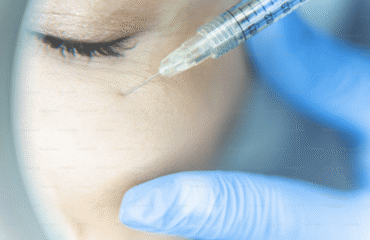
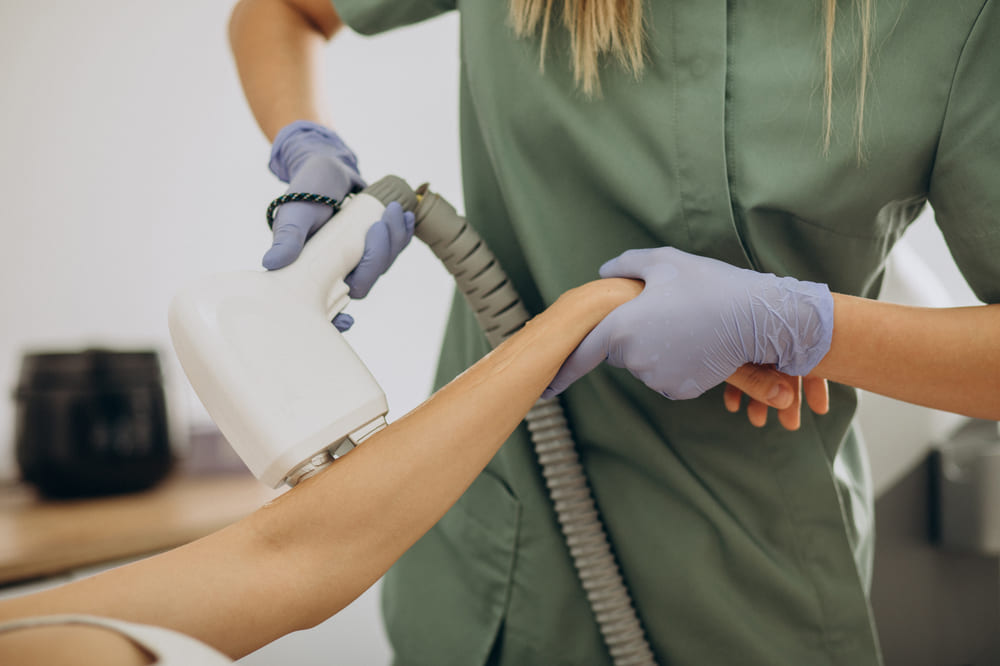
Laser scar removal West Hollywood patients consider can improve the color, texture, thickness, and visibility of certain scars, but it usually cannot erase a scar completely. The best candidates depend on scar type, skin tone, scar age, depth, redness, and whether the scar is raised, depressed, or textured.
The real question is whether lasers work for your scar.
That is usually when people start searching for laser scar removal West Hollywood options and wondering whether their scar can actually improve. Maybe it is an acne scar that creates uneven texture or a surgical scar that still looks red.
Laser treatment can help many scars look smoother, softer, or less visible, but the result depends on the type of scar. This guide breaks down which scars often respond well, which ones may need a different plan, and what realistic improvement looks like.
Laser Scar Removal West Hollywood: What It Can Actually Improve
Laser scar treatment is not magic, and that is a good thing to understand early. It usually does not make a scar disappear completely. Instead, it may improve the features that make the scar noticeable: color, texture, thickness, redness, uneven surface, or tightness.
A scar that is red may need a different laser approach than a scar that is indented. A raised scar may need a different plan than a flat brown mark. A surgical scar may respond differently than old acne scarring.
A provider needs to look at the scar closely and ask how it formed, how long it has been there, whether it has changed, and how your skin tends to heal.
For someone searching for laser scar removal west hollywood, the strongest starting point is not “Can laser remove this?” It is “What part of this scar bothers me most?” Texture, color, thickness, and depth each tell a different story.
Acne Scars: Texture Usually Matters Most
Acne scars are one of the most common reasons people ask about laser treatment. They can be frustrating because the acne may be gone, but the texture stays behind.
Some are boxcar scars with sharper edges, are narrow and deeper, often called ice pick scars. Raised acne scars can also happen when the skin produces too much collagen during healing.
Laser treatment may help certain acne scars by improving texture and encouraging skin remodeling. Broad, shallow texture may respond more predictably than very deep or narrow pitted scars. Deeper scars may need a combination plan, such as laser plus other dermatology treatments, depending on the skin.
If the goal is “make my skin look smoother,” laser may be part of the conversation. If the goal is “erase every acne scar,” the plan needs to be more realistic.
Surgical and Injury Scars: Color, Thickness, and Texture Count
Surgical and injury scars can improve with time, but some stay more visible than patients expect. A scar may remain red, feel firm, look shiny, or sit slightly raised or uneven compared with the surrounding skin.
Laser treatment may help by softening the appearance of the scar and improving color or texture. In some cases, lasers can also help scars that feel tight, itchy, or uncomfortable. The exact approach depends on whether the scar is flat, raised, red, firm, or uneven.
Timing matters too because a newer scar may be treated differently than an older scar. Some scars are best managed early to help reduce redness or thickness, while others need time to mature before certain treatments make sense.
Patients looking into laser skin resurfacing west hollywood should know that resurfacing is not one-size-fits-all. The face, chest, back, and body can all heal differently. Skin tone, sun exposure, scar location, and scar history all affect the plan.
Raised Scars and Keloids Need a Careful Plan
Raised scars and keloids are more complicated because they are not just surface marks. They form when the skin produces too much collagen during healing.
Laser treatment may help reduce redness, thickness, itch, or discomfort in certain raised scars, but it is often not the only treatment used. Some raised scars may need a combined approach. That could include injections, topical care, pressure therapy, or other dermatology options depending on the scar.
This is also where skin type and healing history matter. If you have a history of keloids, thick scarring, or post-inflammatory pigmentation, your provider should know before treatment. The goal is to avoid irritating the skin in a way that creates a new problem.
For raised scars, the smartest plan is usually conservative and specific. More aggressive is not automatically better.
When Laser May Not Be the Best First Step
Laser is useful, but it is not always the first or only answer. If the scar is very deep, tethered, actively inflamed, infected, or connected to ongoing acne, another treatment may need to come first.
For example, active acne should often be controlled before treating acne scars. Otherwise, new breakouts can keep creating new marks while old scars are being treated. A very deep scar may need release, filler, microneedling, excision, or a combination plan instead of laser alone.
Skin tone is another important factor. Some patients are more prone to dark marks after inflammation, so laser settings and preparation need to be chosen carefully. Recent tanning, certain medications, and a history of poor wound healing can also affect timing and candidacy.
A consultation with a dermatologist west hollywood ca patients can visit helps determine whether laser is the right first move or whether the skin needs another step before treatment.
The Best Scar Plan Starts With the Scar Type
Laser scar treatment works best when it is matched to the scar, not the other way around. A red surgical scar, a deep acne pit, a raised keloid, and a textured injury scar should not all receive the same plan.
If you are considering laser scar removal, Skinpeccable can help evaluate the scar’s color, depth, thickness, and texture so expectations stay clear from the start.
FAQ:
Can laser scar removal completely remove a scar?
Usually, no. Laser treatment can often make a scar less noticeable, but it typically does not erase it completely. The goal is improvement in color, texture, thickness, or visibility.
What types of scars respond best to laser treatment?
Scars with redness, uneven texture, mild thickness, or certain types of acne scarring may improve with laser treatment. The best candidates depend on scar depth, age, location, skin type, and healing history.
Does laser help acne scars?
Laser treatment can help some acne scars, especially when texture is the main concern. Deep pitted scars may need more than one type of treatment for better improvement.
How many laser treatments are needed for scars?
The number of sessions depends on the scar type, size, age, depth, and treatment goal. Some scars need a series of treatments instead of one appointment.
Is laser scar removal safe for all skin tones?
Laser treatment can be used on many skin tones, but settings and treatment choice matter. Some skin types are more prone to pigmentation changes, so a dermatologist should evaluate the skin before treatment.