
Facial skin changes naturally with age. Fine lines may become more noticeable, skin can lose firmness, and changes in facial volume can affect overall contours. While a traditional facelift can address more advanced signs of aging, some people prefer treatments without surgery or extensive downtime.
If you are considering a non-surgical facelift West Hollywood, understanding what these treatments can and cannot do can help you make an informed decision. Non-surgical approaches may target lost volume, fine lines, mild skin laxity, and changes in facial definition while maintaining a natural-looking appearance.
What Is a Non-Surgical Facelift?
A non-surgical facelift refers to cosmetic treatments designed to improve facial contours and signs of aging without traditional surgery. Depending on your concerns, treatment may involve injectables, skin-tightening procedures, or other minimally invasive techniques.
Rather than lifting and removing excess skin, non-surgical treatments focus on restoring volume, stimulating collagen, tightening skin, or softening visible lines.
The goal is generally subtle rejuvenation rather than dramatic transformation. Your provider can recommend an approach based on your facial structure, skin condition, and aesthetic goals.
What Concerns Can It Address?
Aging affects different areas of the face in different ways. Some people notice fine lines, while others are more concerned about volume loss or reduced jawline definition.
Depending on the treatment selected, a non-surgical facelift may help address:
- Fine lines and wrinkles
- Loss of facial volume
- Mild to moderate skin laxity
- Less-defined facial contours
- Changes around the cheeks and jawline
- Skin texture and overall appearance
A professional assessment can help determine which areas may benefit most.
How Do Non-Surgical Facelift Treatments Work?
Non-surgical facial rejuvenation can involve several techniques and technologies.
Dermal Fillers
Dermal fillers can restore or enhance volume in areas such as the cheeks, lips, chin, or jawline. By replacing diminished volume, fillers may help create more balanced facial proportions.
Fillers do not physically pull the skin upward like surgery. Instead, strategically placed product can improve facial contours and create a refreshed appearance.
Skin-Tightening Treatments
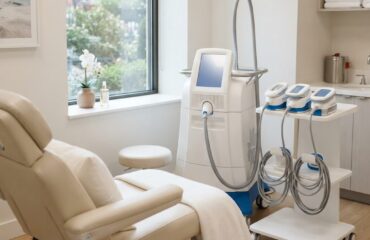
Certain energy-based treatments use technologies such as radiofrequency or ultrasound to heat targeted tissue. Depending on the technology, treatment may encourage collagen remodeling and improve mild skin laxity over time.
These treatments may appeal to people who want gradual improvement without surgical incisions.
Neuromodulators
Neuromodulators can temporarily relax facial muscles responsible for expression lines. They are commonly used for forehead lines, frown lines, and crow’s feet.
While neuromodulators are not a facelift by themselves, they may be incorporated into a broader facial rejuvenation plan when appropriate.
Are Dermal Fillers Safe?
Safety depends on the product, treatment area, technique, and qualifications of the person performing the procedure.
The U.S. Food and Drug Administration (FDA) notes that dermal fillers are medical devices used for specific cosmetic purposes. Risks can include swelling, bruising, redness, pain, and other complications. Rare but serious complications can occur if filler is unintentionally injected into a blood vessel, including tissue death, vision loss, and stroke.
Choosing a qualified medical professional and discussing your medical history is important before treatment. Your provider should explain expected benefits, risks, and aftercare.
What Are the Benefits of a Non-Surgical Approach?
Non-surgical facial rejuvenation can provide cosmetic improvement without traditional surgery.
Potential benefits may include:
- Little or no surgical downtime
- Gradual or subtle-looking results
- Treatment tailored to specific concerns
- Ability to address several areas
- No surgical incisions for many treatment options
However, “non-surgical” does not mean risk-free or permanent. Some treatments can cause temporary redness, swelling, bruising, tenderness, or other side effects. Results vary depending on the procedure and individual response.
How Long Do Results Last?
The longevity of results depends on the treatment used. Some injectable treatments provide temporary results and may require maintenance as their effects wear off.
Results from collagen-stimulating or skin-tightening procedures may develop more gradually. Your provider can explain expected longevity and whether follow-up treatments may be recommended.
Non-surgical treatments do not stop the natural aging process, so skin and facial structure will continue to change.
Who Is a Good Candidate?
A non-surgical facelift may be appropriate for adults who want to address early or moderate signs of facial aging without surgery. Candidacy depends on your health, skin condition, facial anatomy, treatment goals, and expectations.
You may be a potential candidate if you are concerned about:
- Mild skin laxity
- Loss of facial volume
- Fine lines and wrinkles
- Changes in facial definition
- A tired or less refreshed appearance
A consultation can help determine whether non-surgical treatment is appropriate or whether another approach would better address your concerns.
What Should You Expect During Treatment?
The experience depends on the procedure selected. Injectable treatments are generally performed during an office visit, while certain skin-tightening procedures may take longer depending on the treatment area.
Before treatment, your provider should evaluate your face and discuss your goals. They may also review your medical history, medications, previous cosmetic procedures, and allergies or sensitivities.
After treatment, you may experience temporary redness, swelling, bruising, or tenderness. Your provider will provide specific aftercare instructions based on the procedure.
Choosing Non-Surgical Facelift Treatment in West Hollywood
When searching for a non-surgical facelift in West Hollywood, look beyond the treatment name. Different procedures address different aspects of facial aging, and the best approach depends on your anatomy and goals.
Ask about the recommended technology or injectable, expected results, potential risks, recovery requirements, and how long results may last. A qualified provider should explain why a particular treatment is appropriate rather than applying the same approach to every patient.
A personalized treatment plan can help prevent over-treatment and support balanced, natural-looking results.
Conclusion
Non-surgical facial rejuvenation can offer an option for people who want to improve signs of aging without traditional facelift surgery. Depending on your needs, treatments may address volume loss, wrinkles, mild skin laxity, and changes in facial contours.
If you are considering a non-surgical facelift in West Hollywood, explore Skinpeccable’s non-surgical facelift treatment options to see how a personalized approach may help address your cosmetic concerns.
Medical Disclaimer: This article is intended for general informational purposes only and should not be considered medical advice. Consult a qualified healthcare professional or dermatologist for recommendations based on your individual circumstances.
Frequently Asked Questions
What is a non-surgical facelift?
A non-surgical facelift uses minimally invasive or non-invasive cosmetic treatments to improve concerns such as wrinkles, volume loss, mild skin laxity, and facial contours without traditional facelift surgery.
How long does a non-surgical facelift last?
Results vary depending on the treatment used. Some procedures provide temporary results, while collagen-stimulating treatments may produce effects that develop gradually. Your provider can discuss expected longevity.
Is a non-surgical facelift painful?
Comfort varies by treatment. Some procedures may involve mild discomfort, while injectable treatments may use topical or local numbing measures to improve comfort.
Can a non-surgical facelift replace surgery?
Non-surgical treatments cannot fully replicate the results of a surgical facelift, particularly when significant skin laxity or excess skin is present. They may be suitable for people seeking more subtle improvement.