
The Secret to Natural-Looking Rejuvenation: Why Combining Treatments Can Create Better Balance
Medically Reviewed by Dr. Raphael Darvish
Facial aging rarely appears as one isolated concern. You may notice deeper lines, changes in facial volume, uneven pigmentation, rougher texture, or reduced firmness. Addressing only one feature can improve that specific concern while leaving other visible changes untouched.
For patients considering a cosmetic rejuvenation center West Hollywood, a coordinated treatment plan may provide a more balanced approach. The goal is not to have as many procedures as possible. It is to identify which concerns matter most and determine whether different treatments can complement one another.
Aging Affects More Than One Part of the Face
Wrinkles are often the most noticeable sign of aging, but facial changes can involve several factors at once. Repeated muscle movement can contribute to dynamic lines, while changes in facial volume can alter contours. Sun exposure and other factors can affect pigmentation and texture, while declining elasticity may make skin appear less firm.
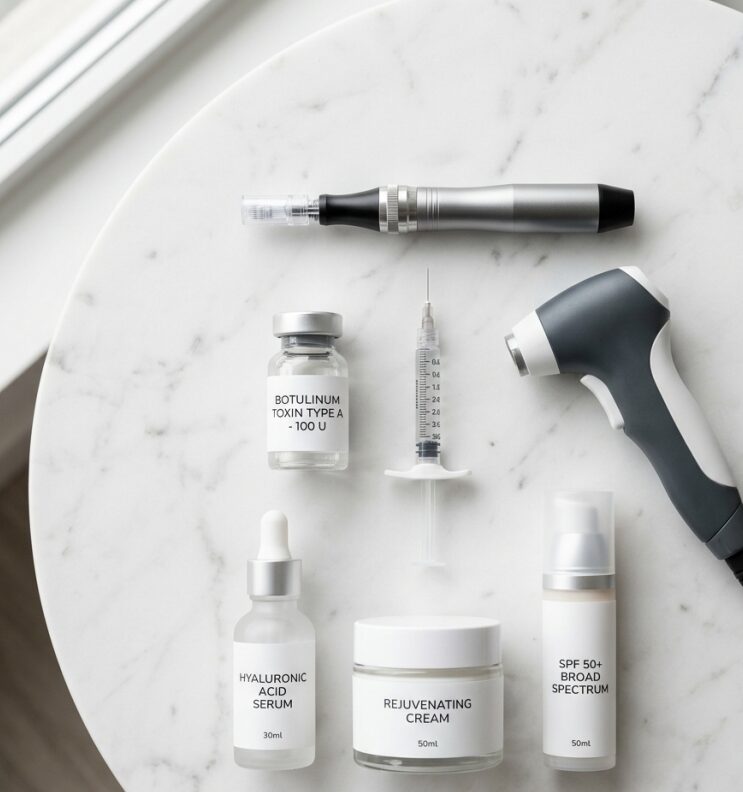
Different cosmetic treatments address different concerns. Neuromodulators can soften certain movement-related wrinkles. Dermal fillers can restore volume in selected areas. Resurfacing procedures can improve aspects of texture and discoloration, while professional skincare can support the overall condition of the skin.
The National Institute on Aging explains that aging can make skin thinner and less elastic, while changes in collagen and elastin contribute to wrinkles and other visible changes. Because facial aging can involve several different changes at once, evaluating the skin as a whole can help identify which concerns may benefit from treatment.
Why One Treatment May Not Address Everything
Consider someone with forehead lines and noticeable volume loss in the cheeks. A neuromodulator may reduce the appearance of lines caused by muscle activity, but it will not restore lost volume. The reverse is also possible. Filler may improve a hollow or contour while leaving pigmentation or rough skin texture unchanged. This does not mean every patient requires multiple treatments. Instead, it highlights why the source of each concern should be evaluated before choosing a procedure. Sometimes one treatment is enough. In other cases, combining carefully selected options may produce a more complete result.
What Different Treatments Can Do
Understanding the role of each treatment can make combination planning easier.
Neuromodulators: These temporarily reduce activity in targeted muscles and can soften certain dynamic wrinkles.
Dermal fillers: Depending on the product and treatment area, fillers can restore volume, enhance contours, and address selected facial folds or areas of volume loss.
Laser and resurfacing treatments: These may improve certain concerns involving skin texture, discoloration, and visible effects of sun exposure.
Microneedling: By creating controlled micro-injuries, microneedling can support collagen remodeling and improve the appearance of some texture concerns.
Professional skincare: A consistent skincare routine can complement in-office procedures and support healthier-looking skin between treatments.
Because these options have different purposes, treatment planning should begin with your concerns rather than a predetermined package.
Treatments May Need to Be Staged
Combining treatments does not necessarily mean having several procedures during one visit. In some cases, spacing them allows the provider to evaluate the response to one treatment before deciding what should follow. A patient might first address dynamic wrinkles, then reassess the face after the treatment has taken effect. If volume loss remains a concern, filler could subsequently be considered. Skin texture or pigmentation may then be addressed according to the patient’s needs and recovery requirements. The appropriate sequence depends on the procedures, treatment areas, health history, and clinical judgment of the provider. There is no universal timeline that applies to every patient.
More Treatments Do Not Automatically Mean Better Results
Combination rejuvenation should not be confused with adding procedures simply because they are available. Unnecessary treatment can increase cost and may produce results that do not suit the patient’s features. Natural-looking rejuvenation often requires restraint. A provider should be able to explain what each recommended treatment is intended to accomplish and whether it provides a meaningful benefit. If a particular concern can be addressed effectively without adding another procedure, there may be no reason to introduce one. The objective should always be an appropriate result, not a longer treatment list.
Your Face Should Determine the Plan
People can experience very different patterns of facial aging even when they are the same age. One person may be primarily concerned with expression lines, while another may notice changes in volume, pigmentation, or skin texture. Previous cosmetic treatments, sun exposure, skin characteristics, lifestyle, and individual anatomy can also influence treatment decisions. For this reason, standardized packages may not be appropriate for everyone. A personalized assessment allows the provider to consider how different facial features relate to one another instead of treating each concern independently.
Maintenance Is Part of the Process
Cosmetic treatments do not stop the natural aging process. Some results gradually diminish, while other changes continue to develop over time. Maintaining your desired appearance may involve periodic treatments, skincare, sun protection, or occasional reassessment. The appropriate maintenance approach depends on the procedures used and your individual goals. Your priorities may also change. A concern that seems most important today may become less significant later, making flexibility an important part of long-term treatment planning.
Natural Results Depend on Balance
The most successful rejuvenation does not necessarily announce that cosmetic treatments have been performed. The goal may be to soften distracting features, improve proportions, and enhance skin quality while maintaining natural expression. Achieving that balance requires appropriate treatment selection and conservative decision-making. A provider should consider how each procedure affects the overall face rather than viewing individual lines, hollows, or pigmentation concerns in isolation. For some patients, that may mean combining treatments. For others, a single procedure or no procedure at all may be the better choice.
Interested in finding an approach that fits your facial concerns? Skinpeccable, a cosmetic rejuvenation center West Hollywood can discuss the changes you would like to address and help develop a treatment approach based on your features, skin concerns, and aesthetic goals.
Medical Disclaimer: This article is for general educational purposes and is not a substitute for medical advice or individualized treatment recommendations. A qualified medical professional should evaluate your health, skin, anatomy, and suitability before treatment.
Frequently Asked Questions
Why combine cosmetic treatments?
Different procedures address different aspects of facial aging. When appropriate, combining treatments can allow several concerns to be addressed through one coordinated plan.
Does combination treatment mean I need multiple procedures?
No. Combination planning is not about adding unnecessary treatments. Your provider should recommend options based on your specific concerns and desired outcome.
Can Botox and fillers be used together?
They can be included in the same treatment plan when clinically appropriate. Since they address different concerns, a provider can determine whether using both would benefit your individual features.
How are treatments selected?
Treatment planning may consider facial anatomy, muscle activity, volume changes, skin texture, pigmentation, previous procedures, and your goals. The plan should be individualized rather than based on a standard package.
Can combination treatments look natural?
Yes. When appropriate treatments are selected and performed conservatively, the goal is to create balanced improvements while preserving natural facial movement and proportions.