This article explains why physically healthy, active patients seek body contouring and laser skin resurfacing treatments, addresses the misconception that these procedures are weight-loss shortcuts, and positions them as precision refinement tools for specific concerns that exercise and nutrition simply can’t resolve.
Being in good shape doesn’t mean every concern disappears.
There’s a version of the aesthetic treatment conversation that rarely gets addressed directly: the one where the patient runs regularly, lifts, eats thoughtfully, and is genuinely close to their ideal weight. And they still have a concern. A stubborn pocket of fat along the flank. Sun damage and rough texture on the chest. Skin that doesn’t match the effort behind it.
These patients are looking for tools that address what exercise and nutrition were never designed to fix. They’re not the same process, and they don’t respond to the same interventions.
Exercise Changes Your Weight. It Doesn’t Always Change Your Shape.
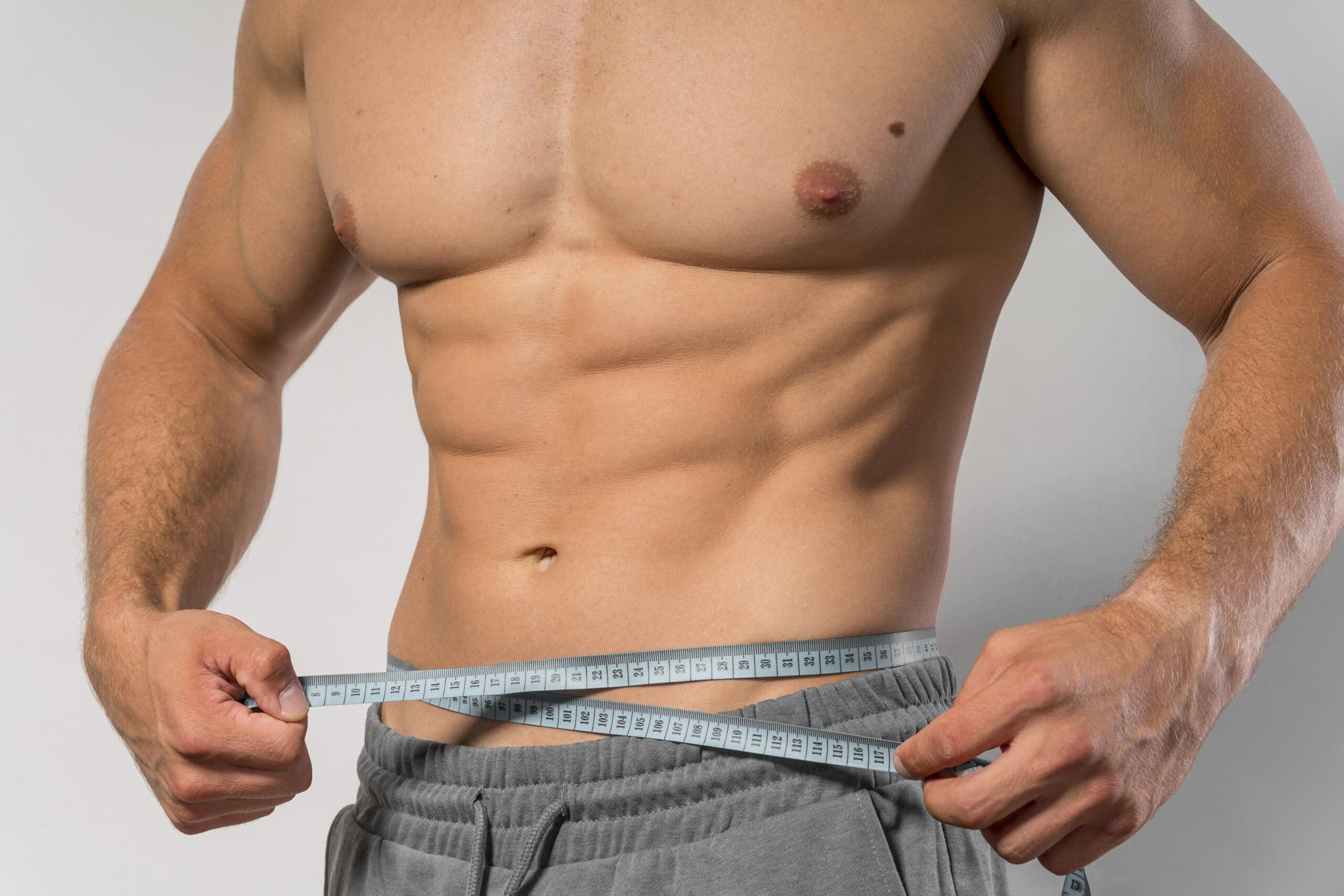
When you lose fat through diet and exercise, fat cells shrink, but they don’t disappear. They also don’t shrink evenly across the body. Certain areas, particularly the lower abdomen, inner thighs, and flanks, are genetically predisposed to holding onto subcutaneous fat regardless of how lean someone is elsewhere.
CoolSculpting in Santa Monica works on a fundamentally different mechanism. Rather than causing fat cells to shrink through caloric deficit, it uses controlled cooling to destroy them permanently through cryolipolysis. Once those cells are eliminated, they don’t regenerate, and the lymphatic system clears them gradually over several weeks. The reduction in fat layer thickness in the treated area is stable, provided weight remains consistent.
That distinction is exactly why fit, health-conscious patients are actually the best candidates for this type of treatment.
Skin Texture Is a Separate Problem from Fitness
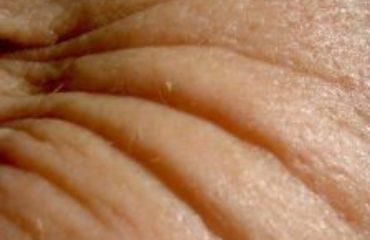
Being active doesn’t protect your skin from sun damage, collagen loss, or texture changes from years of inflammation or outdoor exposure. These are surface and structural issues, and they respond to specific treatments, not to cardiovascular output.
Fractionated laser resurfacing addresses this precisely. The treatment creates controlled micro-injuries in the skin, triggering the body’s collagen remodeling response. Over three to six months following a session, skin firms up, texture evens out, pores appear smaller, and photodamage fades. None of that happens on a treadmill because the skin’s repair mechanisms respond to different stimuli entirely.
The best laser skin resurfacing in West Hollywood is calibrated to the patient’s actual concerns, skin type, and tolerance for recovery time.
More aggressive fractional protocols address deeper changes like acne scarring and significant photoaging. The right approach isn’t a standard protocol applied uniformly. It’s based on what a given patient’s skin specifically needs.
The Gap Between Looking Fit and Looking Refined
There’s a real difference between looking healthy and looking polished, and many patients feel it before they can name it. Usually it’s something specific: a soft area that won’t tighten regardless of how many workouts happen, or skin on the chest and arms that looks ten years older than their face.
The value of a consultation with an experienced dermatologist West Hollywood CA isn’t just identifying treatment options. It’s accurately diagnosing the actual issue. A pocket of fat that looks like a skin laxity problem, or vice versa, will respond poorly to the wrong treatment.
Getting that assessment right upfront saves both time and money.
Why These Treatments Don’t Work as Weight Loss Tools
This is worth addressing directly, because the misconception is persistent. Body contouring treatments don’t replace a healthy lifestyle, and they don’t produce results in patients who aren’t already close to their goals. CoolSculpting is most effective in patients near their ideal weight with localized fat deposits that haven’t responded to diet and exercise. It isn’t designed to produce large-scale reductions across the body, and it won’t. Trying to use it as a weight loss strategy produces underwhelming results and misses what the treatment actually does well.
The same logic applies to laser resurfacing in the context of overall skin health. Patients who smoke, have untreated active acne, or don’t use consistent sun protection won’t see the same outcomes as patients who have already established a solid baseline. These treatments build on a healthy foundation.
Fit, active patients who take care of themselves are applying the right clinical tool to a specific problem that lifestyle alone was never going to resolve.
What a Realistic Treatment Plan Looks Like
The starting point is always a thorough consultation, one where the provider looks at what’s actually present and what’s causing it. Is it fat, skin laxity, surface texture, or a combination? Which tool addresses it most effectively given the patient’s skin type, timeline, and realistic recovery window?
Getting those answers first makes the treatment plan more efficient and the results more satisfying. It’s not about doing everything at once. It’s about doing the right things in the right order.
FAQ
Is CoolSculpting a good option if I’m already at a healthy weight? Yes, and patients near their target weight are actually the best candidates. CoolSculpting is designed specifically for localized fat reduction in people who are already close to their goals, not for overall weight loss. It permanently destroys fat cells in targeted areas, which is exactly what consistent exercise can’t always accomplish on its own.
How many CoolSculpting sessions does it take to see results? Most patients need one to three sessions per treatment area, depending on the thickness of the deposit and the degree of change desired. Results appear gradually over one to three months as the body naturally clears the destroyed fat cells.
Can laser resurfacing treat sun damage on the chest and arms, not just the face? Yes. Fractional laser resurfacing can be applied to the neck, chest, and upper arms as well. Treating those areas alongside the face often produces a more cohesive result, since sun damage doesn’t stop at the jawline.
What’s the difference between fat reduction and skin tightening? They address different problems. Fat reduction treatments like CoolSculpting reduce the volume of subcutaneous fat in a specific area. Skin tightening treatments stimulate collagen production to firm skin that’s become lax or crepey. Some patients need one, some need both, and a proper consultation will clarify which issue is actually present before any treatment is recommended.
Who is a realistic candidate for body contouring at Skinpeccable? Patients who are already near their healthy weight, maintain a stable lifestyle, and have localized concerns that haven’t changed with exercise. The best outcomes come from patients treating a specific, well-defined issue rather than expecting a broad transformation.