Medically Reviewed by Dr. Raphael Darvish
Juvéderm can restore facial volume, soften lines, and enhance contours, but results do not remain identical for every patient. If your filler appears to fade sooner than expected, that does not necessarily mean something went wrong.
The treatment area, Juvéderm formulation, injection technique, facial movement, and individual response can all influence how the result changes over time. For patients considering Juvederm West Hollywood, understanding these factors can help you approach treatment with realistic expectations.
The Treatment Area Matters
Different parts of the face place different demands on dermal filler. Areas that move frequently can behave differently from areas that remain relatively still. The lips are constantly involved in speaking, eating, drinking, and facial expressions. Cheeks and other areas experience different types of movement and tissue support. The depth and placement of filler also depend on the anatomy being treated and the result being sought.
Because of these differences, another patient’s experience may not predict how long your own results will remain visible. Your injector should discuss the treatment area, expected changes, and appropriate goals before proceeding.
Juvéderm Includes Different Formulations
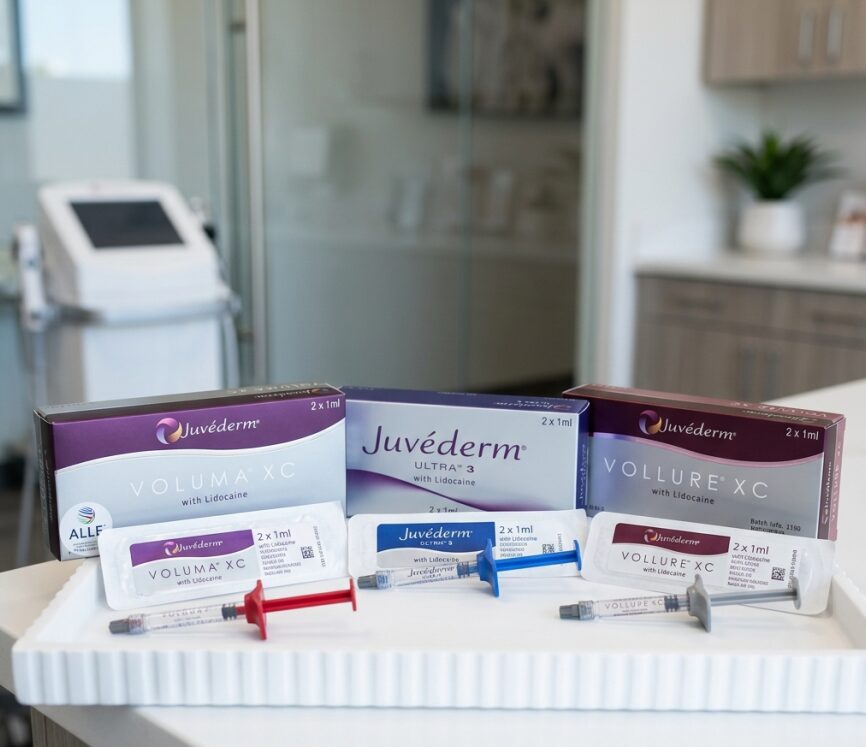
Juvéderm refers to a family of hyaluronic acid dermal fillers rather than one identical formula. Different formulations have different characteristics and may be selected for particular facial concerns. Your provider may consider the treatment area, tissue depth, desired volume, and type of correction when selecting a formulation. Lip enhancement, for example, requires a different approach from restoring structural volume in the cheeks.
Using more filler is not automatically a better solution. The goal is to choose an appropriate product and use it in a way that complements your facial anatomy. The American Society of Plastic Surgeons explains that dermal fillers can restore facial volume, soften facial creases, enhance shallow contours, and improve the appearance of thin lips. Because dermal fillers are temporary treatments, ongoing treatment may be needed to maintain results over time.
Placement Influences the Result
Where and how filler is injected can affect the appearance of the finished treatment. An injector needs to consider facial anatomy, tissue depth, movement, and the patient’s aesthetic goals. Placement that does not suit the patient’s anatomy or treatment goals may fail to produce the intended contour or may create unnecessary fullness. Effective treatment involves assessing surrounding facial structures rather than focusing on one line or hollow in isolation.
If your filler appears to have changed sooner than expected, an evaluation can provide more useful information than assuming your body processed the product unusually quickly. Your provider can review the original treatment and determine whether the change reflects normal progression or another concern.
Your Body Processes Filler Differently
Juvéderm is a hyaluronic acid dermal filler, and the body gradually processes the injected material over time. The rate at which this occurs can differ between individuals. Treatment location, filler characteristics, facial movement, and individual biology can all contribute to differences in longevity. Two patients receiving similar treatments may therefore experience different changes over time.
Gradual fading is expected as the body processes the filler. However, concerns about unusually rapid changes should be discussed with a qualified medical professional rather than attributed to metabolism alone.
Follow Your Aftercare Instructions
Aftercare can help the treated area settle properly. Your provider should give you instructions based on the product used, injection site, and your individual circumstances. Avoid unnecessary pressure or manipulation unless your provider specifically recommends it. Follow their guidance concerning exercise, heat exposure, skincare products, facial treatments, and other activities after treatment. Sun protection is also important for maintaining healthy-looking skin. Regular sunscreen use helps protect against ultraviolet exposure, which contributes to premature skin aging. Rather than relying on generic advice found online, follow the instructions provided by the clinician who performed your treatment. They can account for details that general recommendations cannot.
Swelling Can Change Your Initial Impression
Temporary swelling can make an injected area appear fuller immediately after treatment. As the swelling subsides, the final result may look more subtle. This can sometimes create the impression that filler has disappeared quickly when the change is actually related to the resolution of post-treatment swelling. A change caused by reduced swelling is different from the filler itself being fully processed by the body. If the treated area changes substantially or does not resemble the result discussed with your provider, an assessment can help clarify what is happening. Avoid adding more filler simply because the initial swelling has decreased.
Longevity Is Not the Only Consideration
It can be tempting to focus entirely on making filler last as long as possible. However, aesthetic treatment should also consider facial proportion, movement, existing volume, and the appearance you want to achieve. Adding more product does not automatically create a better or longer-lasting result. Excessive volume can alter facial balance and produce an appearance that does not match your goals. A thoughtful treatment plan considers the face as a whole. Your provider should be able to explain why a particular product, placement approach, and amount of filler are appropriate for the result you want.
When Your Results Need Evaluation
If your Juvéderm appears to have faded much sooner than expected, consider having the treated area evaluated. A professional can review the product used, treatment location, injection technique, aftercare, and changes you have noticed since the procedure. An assessment can help distinguish expected changes from concerns that may require further attention. It is more useful than assuming that rapid fading automatically means the product was defective or the treatment was unsuccessful.
Considering Juvederm West Hollywood? Speak with Skinpeccable about the facial concerns you want to address and discuss whether Juvéderm is a suitable option for restoring volume, softening lines, or enhancing your features.
Medical Disclaimer: This article is provided for general educational purposes and is not a substitute for medical advice, diagnosis, or individualized treatment. Dermal filler treatment should be discussed with a qualified medical professional who can evaluate your health, facial anatomy, goals, and suitability for treatment.
FAQs
Why does Juvéderm fade sooner for some people?
Results can vary because of the treatment area, filler formulation, facial movement, injection technique, and individual response. A shorter-lasting result does not automatically mean the treatment was performed incorrectly.
Does the Juvéderm product affect longevity?
Yes. Juvéderm includes different formulations designed for different treatment goals and areas. Your provider can select an appropriate option based on your anatomy and desired result.
Can facial movement affect filler?
Facial movement can influence how a treated area changes over time. Frequently moving areas, including the lips, may behave differently from areas with less movement.
Why does my filler look different after swelling decreases?
Temporary swelling can make an injected area appear fuller immediately after treatment. Once that swelling subsides, the final result may appear more subtle without meaning that the filler has disappeared.
What should I do if my Juvéderm seems to fade quickly?
Speak with a qualified provider for an assessment. They can determine whether the change reflects normal settling, the characteristics of the treatment area, or another factor requiring attention.